Source custom lady tote bag organizer for Shopping, Promotion, Daily Life
Find and compare 30 listings for custom lady tote bag organizer options featuring varied materials like fabric and polyester, waterproof or non-waterproof designs, and customizable logos. Buyers can review specifications including size, hardness, and packaging details to select the right solution for shopping, promotion, or daily life use.
Key considerations
Products List


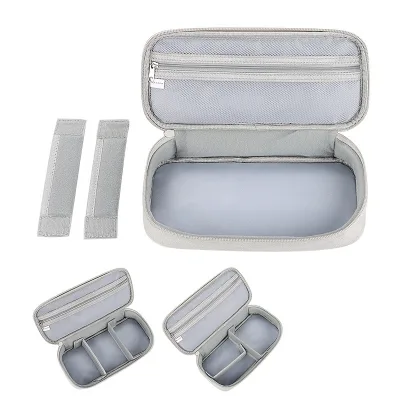
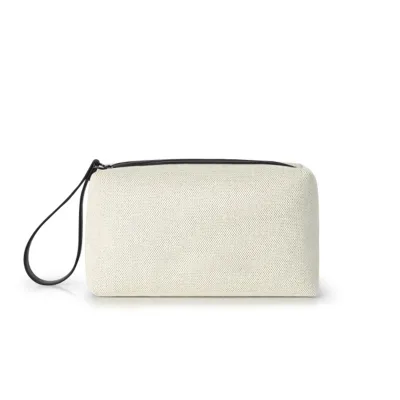


Comprehensive Sourcing Guide
Strategic Sourcing Guide for Custom Lady Tote Bag Organizers
Understanding Product Specifications and Material Variability
When sourcing custom lady tote bag organizers, buyers must first navigate the complex landscape of material composition and structural specifications. The available market data indicates a significant divergence in product attributes, which directly impacts the suitability of a supplier for specific use cases. A primary observation is the variation in internal lining materials. Some listings specify "Fabric" as the inside material, while others explicitly state "Polyester." This distinction is critical for buyers targeting specific durability or aesthetic requirements. Polyester often offers superior resistance to moisture and wear compared to generic fabric blends, making it a preferred choice for organizers intended for heavy daily use or travel.
Furthermore, the hardness of the organizer is a key differentiator. The data reveals products ranging from "Medium Soft" to "Soft." A "Soft" classification suggests a pliable structure that conforms easily to the contents of a tote, ideal for organizing cosmetics or small accessories where a rigid shape is unnecessary. Conversely, "Medium Soft" options may provide slightly more structural integrity, preventing the organizer from collapsing when placed inside a larger bag. Buyers should not assume all products in this category share the same tactile feel; instead, they must request physical samples to verify the exact hardness and flexibility required for their specific application.
Closure mechanisms also vary, with "Zipper" identified as a standard feature in several listings. This is a functional necessity for security, ensuring that small items like keys or coins do not fall out of the organizer. The presence of a zipper is a baseline expectation, but the quality of the zipper pull and the smoothness of the track are variables that require inspection. Additionally, the size specifications show a range from "Large" to specific dimensions like "37x10x27cm" or "20x14x15cm." The "Large" designation is relative and should be cross-referenced with the intended tote bag dimensions to ensure a proper fit.
Customization Capabilities and Branding Integration
One of the most compelling aspects of sourcing custom lady tote bag organizers is the extensive flexibility regarding branding and customization. The data confirms that "Customization" is widely available, with specific attributes noting that logos can be "Customized" or that suppliers "Accept Customized Logo." This allows brands to imprint their identity directly onto the organizer, turning a functional item into a marketing tool. The printing methods identified include "Silk Screen," "Heat Transfer," and "UV Digital," with some listings specifically mentioning "Thermal Transfer" or "Heat Transfer" processes.
The choice of printing method depends heavily on the material of the organizer and the desired visual effect. Silk screen printing is often cost-effective for large orders and offers vibrant colors, while UV digital printing allows for complex, full-color graphics without the need for screens. Buyers must verify which processes a supplier supports, as not all facilities are equipped for every type of printing. The data also highlights that packaging can be customized, with options ranging from standard "OPP Bag" to "Can Be Customized" packaging solutions. This flexibility extends to the product standard itself, where "Customized" is listed as a standard option, allowing for bespoke sizing and design features beyond the pre-defined models like "SU-SHB-194" or "GD210409V04."
It is important to note that while customization is available, it often comes with specific constraints. For instance, one listing mentions a "MOQ: 500 PCS/Color," while another indicates "MOQ: 1000 PCS." These thresholds can significantly impact the initial investment for a buyer. The ability to customize the logo and packaging is a strong value proposition, but it requires clear communication of design files and an understanding of the minimum order quantities associated with these bespoke services.
Compliance, Standards, and Quality Assurance
Navigating the compliance and quality assurance landscape is essential for ensuring that the sourced organizers meet international safety and quality benchmarks. The provided data points to specific standards and certifications that buyers should prioritize. One listing explicitly mentions "ISO9001" as a quality standard, which indicates that the manufacturer adheres to a recognized quality management system. This is a strong indicator of a supplier's commitment to consistent production processes and defect reduction. However, buyers must verify if this certification applies to the specific production line manufacturing the tote bag organizers, as certifications can sometimes be facility-wide rather than product-specific.
Regarding certifications, the data includes a mention of "BSCI" (Business Social Compliance Initiative), though it is categorized as low-confidence background information. Buyers should not assume that all suppliers in this category are BSCI certified based solely on general market knowledge. Instead, they must request valid, up-to-date audit reports to confirm social compliance, particularly if their end markets have strict ethical sourcing requirements. The absence of a specific certification in the provided data for a particular listing does not imply non-compliance, but it does necessitate a proactive verification step during the supplier evaluation phase.
Quality control should also extend to the physical attributes of the product. The data notes a "Weight Limit" of "5-10 kg" for certain organizer types, which suggests a structural capacity that buyers should test. Additionally, the "Gross Weight" is listed as "0.1-0.2 kg," providing a baseline for shipping cost calculations. Buyers should establish their own quality control protocols that include checking the stitching strength, zipper functionality, and the adhesion of printed logos. The "Sample Lead Time" varies, with ranges of "3-7 Days" and "8-12 Days" observed, which serves as a proxy for the supplier's responsiveness and production efficiency.
Cost Drivers and Pricing Dynamics
The pricing structure for custom lady tote bag organizers is influenced by several dynamic factors, including material costs, customization complexity, and order volume. The observed price range in the market spans from $0.38 to $13.10 USD. This wide variance reflects the difference between basic, non-customized units and high-end, fully branded products with premium materials. The lower end of the spectrum likely corresponds to simple fabric or polyester organizers with minimal branding, while the higher end may include specialized features, custom packaging, or larger sizes.
Minimum Order Quantity (MOQ) is a primary driver of unit cost. The data shows an MOQ range from 1 to 2400 units, with specific listings citing 500 or 1000 pieces per color. Higher MOQs generally result in lower per-unit costs due to economies of scale in material purchasing and production setup. Buyers with smaller volume requirements may face higher unit prices or need to negotiate with suppliers who offer lower MOQs, potentially at a premium. Payment terms also play a role in the financial planning of the procurement process. A common term observed is a "30% TT Deposit," which is standard practice in international trade to secure production slots and cover initial material costs.
Lead times are another cost consideration. The sample lead times range from 3 to 12 days, and while bulk production lead times are not explicitly detailed in the data, they are typically longer. Delays in production can lead to increased inventory holding costs or missed market opportunities. Buyers should factor in the potential for lead time variations when planning their supply chain, especially if the organizers are intended for seasonal promotions or specific events. The "Production Standard" being "Customized" also implies that each order may require unique setup times, which can affect the overall timeline and cost structure.
Typical Applications and Market Segmentation
Custom lady tote bag organizers serve a diverse range of applications, extending beyond simple storage to become integral parts of various lifestyle and commercial sectors. The data highlights specific usage scenarios such as "Shopping," "Promotion," "Packing," and "Daily Life." This versatility makes the product attractive to a broad spectrum of buyers, from retailers looking for promotional giveaways to lifestyle brands seeking to enhance their product offerings. The "Style" is described as "Simple" and "Leisure," indicating a design aesthetic that appeals to a wide demographic, including "Unisex" users, though the core keyword focuses on "lady" organizers.
Specific use cases mentioned in the data include "Gun Cases," "Mailbox," "Pillbox," "Transportation," "Musical Instruments Box," and "Wine Box." While these seem distinct from a standard tote organizer, they suggest that the manufacturing capabilities of these suppliers extend to specialized storage solutions. For a buyer focusing on "lady tote bag organizers," the relevant applications are likely the "Daily Shopping" and "Home Living" segments. The "Occasion" is listed as "Daily Life," reinforcing the product's role as a practical accessory for everyday use.
The "Type" of the product is noted as "Handled," which implies that the organizer may include handles or straps for easy retrieval from a larger tote bag. This feature enhances user convenience and is a key selling point for buyers targeting consumers who value organization and accessibility. The "Gross Weight" of 0.1-0.2 kg ensures that the organizer adds minimal bulk to the user's bag, maintaining the lightweight nature of the tote. Buyers should align their product selection with these specific applications to ensure the organizer meets the functional needs of their target audience.
Supplier Evaluation and Long-Term Procurement Strategy
Selecting the right supplier requires a rigorous evaluation process that goes beyond price and basic specifications. The data indicates that products originate from various locations in China, including "Xiamen" and "Anhui." While these regions are known for manufacturing, buyers should verify the specific factory capabilities and capacity of the supplier. The "prod_origin" field confirms the geographic location, but it does not guarantee the quality or reliability of the specific facility. Buyers should conduct site audits or request detailed information about the factory's production lines, workforce, and quality control infrastructure.
Long-term procurement considerations include the stability of the supply chain and the supplier's ability to scale. The "Sample Lead Time" of 3-12 days suggests a responsive production environment, but buyers must assess how this translates to bulk orders. The "Payment" terms, such as the 30% deposit, are standard, but buyers should negotiate terms that protect their interests, such as milestone payments or retention clauses. Additionally, the availability of "Customized" packaging and standards indicates a supplier's willingness to adapt to changing market needs, which is crucial for long-term partnerships.
Buyers should also consider the "Printing Process" and "Logo Printing" capabilities as indicators of a supplier's technological sophistication. Suppliers offering multiple printing methods like "Silk Screen," "Heat Transfer," and "UV Digital" are better equipped to handle diverse design requirements and can adapt to trends in branding. Finally, the "Quality" standard of "ISO9001" should be a baseline requirement, with buyers seeking suppliers who can demonstrate a track record of maintaining this standard over time. By focusing on these evaluation criteria, buyers can build a resilient supply chain that delivers high-quality custom lady tote bag organizers consistently.
FAQs
Can I customize the logo on the organizer?
Yes, suppliers accept customized logos for this product. You can choose from silk screen, heat transfer, or UV digital printing methods to apply your brand identity directly onto the fabric or polyester lining.
What is the minimum order quantity for customization?
The minimum order quantity varies by supplier, with options ranging from 500 pieces per color to 1000 pieces. Some vendors may accept lower quantities for standard items, but custom branding typically requires meeting these specific thresholds.
How long does it take to receive a sample?
Sample lead times typically range from 3 to 12 days depending on the supplier. Some factories offer samples within 3 to 7 days, while others may require up to 12 days to prepare and ship the custom prototype.
Which materials are used for the inside lining?
The inside material is available in either fabric or polyester options. Polyester often provides better moisture resistance, while fabric offers a softer feel, so you should verify the specific lining material before placing a bulk order.
What certifications do the manufacturers hold?
Some manufacturers adhere to ISO9001 quality standards for their production processes. While BSCI is mentioned in general market data, you must request specific audit reports to confirm social compliance for any particular supplier you consider.
Can the packaging be customized for my brand?
Yes, packaging can be customized beyond the standard OPP bag or poly bag. Suppliers offer flexible packing solutions to match your branding needs, though you should confirm specific customization capabilities and associated costs during the inquiry phase.